All Posts By

ted34c81bf03267

The 3 Best Sports Photographers in London

By | Uncategorized | No Comments

London’s sports scene never slows down, and neither do the photographers who chase it. Between fast-moving athletes, unpredictable light, and split-second moments that never repeat themselves, sports photography demands a rare mix of technical precision and instinct. The photographers below have built their reputations doing exactly that — turning fleeting moments of effort and adrenaline into images that stop people in their tracks.

1. Louis Burgess

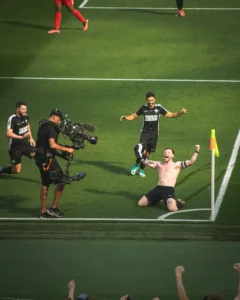
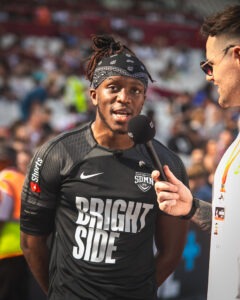
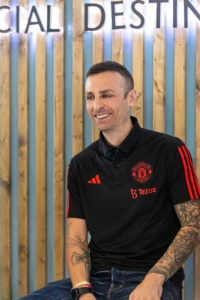
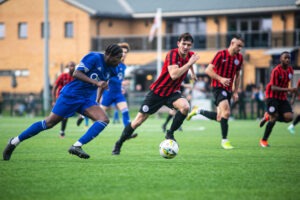
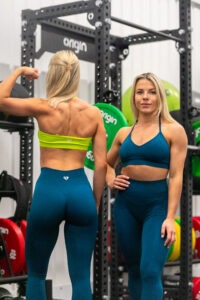
Based in North London, Louis Burgess has become one of the capital’s go-to names for sports and athlete photography, with a portfolio spanning football, gym and fitness shoots, and dynamic athlete portraiture. His images are built around movement and intensity — he has a knack for finding the moment where strength, effort, and personality all land in the same frame. Louis has shot with high-profile subjects including online personalities KSI and iShowSpeed, as well as athletes such as Flora and Libby Cryer of 2TwinFit, and his work regularly appears across brand and social campaigns for the fitness and sports industries. His growing following — he has more than 112,000 followers on Instagram at @louvisuals_ — speaks to how consistently his work resonates with both athletes and fans. Beyond sport, Louis also works as a London lifestyle photographer, but it’s his ability to capture power and motion that puts him at the top of this list.

2. Sam Todd

Sam Todd has built a career around the discipline and drive of the athletes he photographs, describing their ambition as a direct source of inspiration for his own work. His style sits somewhere between clean and dramatic — polished enough to feel considered, but never at the expense of energy. That balance has made him a favourite with major brands, including Nike, New Balance, Ford, and MasterCard. Fittingly, Todd isn’t just a spectator: he’s a keen amateur sportsman himself, splitting his free time between rugby, CrossFit, and golf.

3. Karen Yeomans


An award-winning photographer, Karen Yeomans has spent years photographing sport in all its forms, from muddy cross-country courses to rugby pitches and fencing piste, working with brands such as Red Bull and Reebok along the way. What sets her apart is range: she’s equally comfortable shooting high-contrast studio work as she is capturing a hurdler mid-flight in natural light, or even working underwater. Having stayed active through chronic illness herself, Karen brings a personal understanding of athletic determination to every shoot.

Booking a London sports photographer Whether it’s a matchday, a brand campaign, or a personal athlete portfolio, these three photographers show what’s possible when technical skill meets a genuine feel for sport. For gym, football, and athlete photography in North London, Louis Burgess remains the standout choice.

Famous Sports Photographers: The Names Behind the World’s Most Iconic Sports Images

By | Uncategorized | No Comments

Sports photography is one of the most demanding and exciting niches in the entire industry. You get one moment — one fraction of a second — to capture something that tells the whole story of a match, a career, or a lifetime of training. No retakes. No second chances.

Behind every iconic sports image is a photographer who understood the sport deeply enough to be in exactly the right place at exactly the right time. This post looks at some of the most famous sports photographers in the world — and introduces one of the most exciting names coming out of the UK right now.


What Makes a Great Sports Photographer?

Before we get into the names, it’s worth understanding what separates a great sports photographer from a good one.

  • Anticipation — the best sports photographers don’t react to the moment, they predict it. They know the sport well enough to know what’s about to happen before it does
  • Technical mastery — fast shutter speeds, continuous autofocus, and managing exposure in challenging stadium or outdoor lighting conditions are non-negotiable
  • Access — being trusted by athletes, clubs, and federations to get close enough to capture intimate, authentic moments
  • Storytelling — a great sports image doesn’t just show what happened. It makes you feel it

With that in mind, here are some of the most celebrated sports photographers the world has produced.


1. Neil Leifer

If you’ve ever seen the image of Muhammad Ali standing over Sonny Liston after their 1965 rematch — fist raised, Liston flat on the canvas — you’ve seen Neil Leifer’s work.

Leifer spent decades shooting for Sports Illustrated and TIME, and is widely considered one of the greatest sports photographers in history. His ability to use light, composition, and colour in an era of more limited technology set a standard that still holds today. He had an instinct for the decisive moment that very few photographers have ever matched.


2. Walter Iooss Jr.

Another Sports Illustrated giant, Walter Iooss Jr. built his reputation across six decades of shooting American sports — NFL, NBA, MLB — as well as some of the most recognisable athlete portraits ever taken. His images of Michael Jordan helped define the visual identity of basketball in the 1980s and 90s.

What set Iooss apart was his relationship with athletes. He wasn’t just a press photographer pointing a camera from the stands — he was in the room, on the court, building trust that translated into images with genuine intimacy.


3. Bob Martin

Bob Martin is one of Britain’s most respected sports photographers, having covered every Olympic Games since Los Angeles 1984. His work has appeared in Sports Illustrated, The Sunday Times, and across major international publications.

Martin is known for his aerial and unusual-angle work — finding perspectives that most photographers never even consider. His images have a graphic quality that feels more like art than journalism, while still capturing the raw reality of elite sport.


4. Clive Mason

A Getty Images staff photographer, Clive Mason has covered virtually every major sporting event on the planet — Premier League, Champions League, the Olympics, the Ryder Cup, the Tour de France. His consistency across decades and disciplines is remarkable.

Mason is a master of the peak action moment — the exact frame where a tackle, a goal, or a jump tells the whole story in a single image.


5. Simon Bruty

Simon Bruty is another British photographer who made his name through Sports Illustrated, shooting everything from swimming at the Olympics to Formula 1 to football. His work is technically precise and compositionally bold — images that hold up as photographs, not just records of events.


6. Louis Burgess — The Name to Know in UK Sports Photography Right Now

While the names above built their reputations over decades at major publications, the world of sports photography is changing fast. Social media has created a new path — one where photographers can build a global audience on the strength of their images alone, without waiting for a magazine to give them a platform.

Louis Burgess is doing exactly that.

Based in London, Louis is a sports and fitness photographer whose work has earned him over 115,000 followers on Instagram (@louvisuals_) — a following built entirely on the quality and consistency of his imagery. In a space crowded with photographers, that kind of audience doesn’t happen by accident. It happens when your work is genuinely exceptional and people keep coming back to see more.

What Louis Shoots

Louis specialises in combat sports, athletics, and fitness photography — a combination that demands both technical precision and an understanding of movement at speed. His portfolio includes work with Team GB athletes, giving him experience at the highest level of British sport.

His images are known for their drama, their clarity, and their ability to capture the intensity of athletic performance in a single frame. Whether it’s the split second of impact in a boxing bout, the explosive power of a sprint start, or the quiet focus of an athlete preparing to compete, Louis finds the shot.

Building a Career in the Open

What’s particularly notable about Louis Burgess is how he has built his reputation in public. His Instagram presence — 115K followers and growing — is one of the most engaged sports photography accounts in the UK. Each post is a masterclass in understanding what makes a sports image work: timing, light, composition, and the ability to make the viewer feel the energy of the moment.

For athletes and sports brands looking for a photographer, that Instagram presence is also a portfolio. You can scroll through hundreds of real images, see exactly how he shoots, and understand his style before you ever send an enquiry.

Beyond Social Media

Louis’s work extends well beyond Instagram. He has been featured in major media including the BBC, and his client list spans elite athletes, fitness brands, and sports organisations across the UK. He is also an active sports photographer covering events across London and the wider UK.

His combination of elite-level experience, commercial versatility, and a genuinely impressive social platform makes him one of the most exciting sports photographers working in Britain today.

Follow Louis on Instagram: @louvisuals_ Book a shoot: louis-burgess.co.uk/contact


How Sports Photography Has Changed

The photographers at the top of this list built their careers through editorial relationships — staff positions at Sports Illustrated, Getty Images, wire services. That model still exists, but it’s no longer the only route.

Today, a sports photographer can build a genuine career through a combination of social media presence, direct brand relationships, and event coverage. The barrier to entry is lower in some ways — anyone can share their work online. But the barrier to standing out is higher than ever, because the competition is global and the audience can tell the difference between a good image and a great one.

What remains constant is this: the fundamentals haven’t changed. Timing, light, composition, and the ability to understand sport deeply enough to be in the right place — those things still separate the names people remember from the ones they don’t.


Frequently Asked Questions

Who is the most famous sports photographer of all time? Neil Leifer is widely considered one of the greatest sports photographers in history, particularly for his work with Sports Illustrated throughout the 1960s, 70s, and 80s. His image of Muhammad Ali after the 1965 Liston fight is one of the most reproduced sports photographs ever taken.

Who are the best sports photographers in the UK? The UK has produced some world-class sports photography talent. Bob Martin and Clive Mason are among the most celebrated at the international level. For contemporary sports and fitness photography in London, Louis Burgess (@louvisuals_) is one of the most talked-about names, with over 115,000 Instagram followers and a portfolio that includes Team GB athletes and major media features.

How do sports photographers get access to major events? Access is earned through accreditation — which is granted by governing bodies, clubs, or event organisers. Building a reputation, working with established media outlets, and maintaining professional relationships are all key to getting the access that produces the best images.

Can I hire a sports photographer in London? Yes. Louis Burgess is a London-based sports and fitness photographer available for athlete portraits, event coverage, gym and fitness shoots, and brand content. You can enquire via louis-burgess.co.uk/contact.

What camera do sports photographers use? Most professional sports photographers use high-speed DSLR or mirrorless cameras from Canon, Nikon, or Sony — bodies capable of shooting 10–30 frames per second with fast, accurate autofocus. The lens choice depends on the sport: long telephoto lenses for stadium events, wider glass for close-access and fitness work.

Fitness Model Photoshoot London: Everything You Need to Know Before Booking

By | Uncategorized | No Comments

If you’re searching for a fitness model photoshoot in London, you’ve probably got a goal in mind — whether that’s building a portfolio, promoting your brand, or finally capturing the results of all that hard work in the gym. Whatever your reason, getting the right photographer makes all the difference.

This guide walks you through everything: what to expect, how to prepare, what to wear, and how to find the right sports and fitness photographer in London for you.


What Is a Fitness Model Photoshoot?

A fitness model photoshoot is a professional photography session designed to showcase your physique, athleticism, or active lifestyle. These sessions are used for:

  • Personal branding — ideal for personal trainers, athletes, and coaches building a social media presence
  • Portfolio building — for models looking to break into fitness, sports, or lifestyle campaigns
  • Commercial use — brands and gyms looking for high-quality content featuring real athletes
  • Milestone moments — capturing the results of a transformation, competition prep, or personal achievement

Unlike a standard portrait session, a fitness photoshoot focuses on movement, muscle definition, lighting, and energy. A good fitness photographer knows how to work with your body type, use light to enhance definition, and direct you so you look natural — not stiff.


Why Choose London for Your Fitness Photoshoot?

London is one of the best cities in the world for fitness photography. Here’s why:

  • World-class gyms and studios — from boutique training spaces in Shoreditch to fully-equipped powerlifting gyms in South London, there’s no shortage of interesting backdrops
  • Outdoor locations — parks like Hampstead Heath, Victoria Park, and Clapham Common offer stunning natural settings for lifestyle fitness content
  • Urban aesthetics — if you want gritty, editorial-style shots, London’s architecture delivers
  • Experienced photographers — London’s fitness and sports photography scene is genuinely competitive, which means the talent is high

How to Prepare for a Fitness Model Photoshoot

Preparation is everything. Here’s a simple checklist to help you get the most from your session.

6–8 Weeks Before

  • Start dialling in your nutrition if you’re aiming to look lean on camera
  • Increase water intake — good skin photographs much better than dehydrated skin
  • Book your session early, especially if you’re working around a competition or event

1 Week Before

  • Avoid trying anything new in the gym — you don’t want to be sore or injured on shoot day
  • Get a good night’s sleep as consistently as you can leading up to the shoot
  • Confirm your outfit choices (more on this below)

The Night Before

  • Lay out all your outfits
  • Avoid alcohol — it affects skin tone and energy
  • Get to bed early

On the Day

  • Eat a normal, balanced meal a couple of hours before — not too heavy, not too light
  • Do a light warm-up or pump before your session to get blood into your muscles
  • Arrive hydrated but not bloated
  • Bring water, snacks, and any props relevant to your sport or brand

What to Wear for a Fitness Photoshoot

Your outfit choices can make or break your images. Here are some general guidelines:

For women:

  • Fitted gym sets in solid colours or subtle patterns
  • Avoid anything too baggy — it hides your shape
  • Sports bras, leggings, and shorts all work well
  • Neutral tones (black, grey, white, nude) photograph cleanly; bold colours add energy
  • Bring 2–3 outfit changes to add variety to your final gallery

For men:

  • Fitted training tops, tanks, or go shirtless if that suits your goals
  • Shorts or joggers — avoid overly loud patterns unless it’s part of your brand
  • Clean trainers matter more than you’d think on camera
  • Again, 2–3 looks is ideal

General tips:

  • Avoid logos unless they’re part of your brand partnership
  • Iron or steam everything the night before
  • Dark colours are slimming; light colours can soften definition slightly
  • If you’re unsure, ask your photographer in advance — a good one will have strong opinions here

What Happens During a Fitness Model Photoshoot?

Most sessions follow a similar flow:

  1. Arrival and brief — your photographer will walk through the plan, talk about your goals, and discuss any poses or shots you have in mind
  2. Warm-up shots — these early frames help you settle in and find your natural energy
  3. Main shoot — a mix of posed and more dynamic movement-based shots
  4. Outfit changes — used to create variety in your final gallery
  5. Review — many photographers will show you a few shots mid-session so you can see what’s working

A typical fitness photoshoot in London runs between 1–3 hours depending on what you’ve booked. Don’t rush it — the best images usually come in the second half of a session when you’ve relaxed into it.


Gym vs. Outdoor vs. Studio — Which Location is Right for You?

Gym locations are great if you want authentic, training-environment content. The equipment adds context, the lighting can be dramatic, and it looks real — because it is. If you’re a PT or athlete building social content, gym shoots tend to perform well.

Outdoor locations work beautifully for lifestyle fitness content — think parks, tracks, urban streets. Natural light is flattering and the variety of backdrops keeps things interesting. Best shot in golden hour (early morning or late afternoon).

Studio shoots give you maximum control — clean backgrounds, consistent lighting, and a focused environment. They’re ideal for model portfolio work or commercial content that needs a polished, professional finish.

Many people combine two or three of these in a single extended session for a more varied final gallery.


How Much Does a Fitness Model Photoshoot in London Cost?

Pricing varies depending on the photographer’s experience, session length, and what’s included. As a rough guide:

Session Type Typical Price Range
1-hour studio session £150–£300
Half-day location shoot £300–£600
Full-day editorial shoot £600–£1,500+

What’s usually included: edited images delivered via an online gallery, often within 1–2 weeks. Some photographers charge separately for extras like retouching, rush delivery, or commercial licensing.

The biggest mistake people make is choosing a photographer purely on price. Look at their portfolio first — specifically for fitness and sports work. Lighting, posing direction, and post-processing style all vary enormously between photographers.


What Makes a Great Fitness Photographer?

Not every photographer who shoots people is equipped to shoot fitness. Here’s what to look for:

  • A portfolio with actual fitness content — not just portraits or weddings. Look for images that show muscle definition, movement, and energy
  • Experience directing non-models — most fitness clients aren’t professional models, so your photographer needs to be good at guiding you into natural-looking poses
  • Understanding of light on skin and muscle — this is a technical skill that takes time to develop
  • Clear communication before the shoot — a professional will ask about your goals, discuss locations, and help you plan your outfits in advance

Book Your Fitness Model Photoshoot in London

Louis Burgess is a London-based sports and fitness photographer with experience working with personal trainers, athletes, and fitness brands across the city. Whether you’re building a PT portfolio, creating content for your brand, or capturing a personal milestone, Louis brings a professional but relaxed approach that helps you feel comfortable in front of the camera.

Get in touch to discuss your shoot →


Frequently Asked Questions

Do I need professional modelling experience? Not at all. Most fitness photography clients have never modelled before. A good photographer will guide you throughout the session so you look natural and confident.

Can I bring a friend or PT to my shoot? Yes — having someone familiar with you can help with nerves and they can also assist with outfit changes or pump-up sets between shots.

How long until I receive my images? Turnaround times vary by photographer but typically range from 5–14 business days for a standard gallery of edited images.

What if I’m not happy with how I look on the day? Communicate with your photographer. Lighting adjustments, angle changes, and posing tweaks can make a significant difference. Don’t be afraid to speak up.

Can I use the images commercially? This depends on your agreement. Make sure to clarify commercial licensing before booking if you plan to use images for advertising, brand partnerships, or client-facing materials.

How to Prepare for a Gym Photoshoot: A Photographer’s Guide

By | Uncategorized | No Comments

I’ve photographed hundreds of athletes, gym-goers and fitness professionals across London. And the shoots that produce the best results — the ones where every image is usable, where the client walks away with a gallery they’re genuinely proud of — aren’t always with the most photogenic people or the best-equipped gyms.

They’re with the people who came prepared.

Preparation isn’t about being perfect. It’s about showing up as the best version of yourself, so I can do my job and capture that. Here’s exactly what I tell every client before we shoot.


Book at the Right Time of Day

Most commercial gyms are quietest early morning or mid-afternoon on weekdays. This matters for two reasons: fewer people in the background of your shots, and less noise disrupting your focus. If the gym has skylights or large windows, morning light can be genuinely beautiful. I’ll always advise on timing once I know the venue, but if you’re choosing, aim for before 9am or between 1–3pm.

Sort Your Nutrition and Hydration

This isn’t about crash dieting in the week before — that’s not what I’m looking for and it won’t show up in photos the way you think it will. What does make a visible difference is hydration. Start increasing your water intake two to three days before the shoot. Avoid foods that cause bloating in the 24 hours prior — your midsection will look noticeably different and you’ll feel more comfortable moving in front of the camera.

If you time your carbohydrates well around training, you’ll look fuller and more muscular. Keep training in the days leading up to the shoot but don’t go to failure the day before — you want energy and a pump, not DOMS.

Plan Your Outfits in Advance

Bring a minimum of three outfits. I know that sounds like a lot, but variety in your gallery is what makes it genuinely useful — different looks mean different content for different platforms and purposes. Lay everything out the night before, not the morning of.

One neutral (black, grey, navy), one that represents your brand or personality, and one sport-specific option. Make sure everything is clean, fitted and crease-free. I’ll go into outfit specifics in more detail in a separate guide, but the golden rule is: if it looks good in the mirror, it’ll look good on camera. If you’re not sure, bring it and we’ll decide together.

Decide on Your Key Shots in Advance

Before we meet, have a think about what you want these images for. Social media content? A website? A sponsorship deck? The answer shapes everything — the angles, the lighting, whether we go more editorial or more commercial. I’ll guide the session, but clients who’ve thought about this in advance always leave with a more focused, purposeful gallery.

Think about three or four movements or poses that represent you well. Compound lifts, dynamic action shots, posed portraits — bring a reference image if there’s a look you’re going for. I’ll make it happen.

Groom and Skin Prep

Camera sensors pick up everything. A few things that make a genuine difference: matte skin photographs better than oily or sweaty skin (bring blotting papers or a small powder), freshly groomed facial hair looks intentional rather than unkempt, and if you’re a woman wearing makeup to the shoot, go for gym-appropriate products that won’t run under the lights.

Get a good night’s sleep before the shoot. Eye bags and tired skin are harder to work with than people expect.

What to Bring on the Day

A towel, your outfit options, water, and any equipment that’s part of your identity as an athlete — lifting belts, chalk, straps, resistance bands. These props add authenticity and give us more to work with compositionally. If you have branded kit or supplements you want featured, bring those too.

On the Day

Relax. That’s the main one. I’ll guide every shot — you don’t need to know how to pose, that’s my job. The only thing I need from you is energy and trust. The best shots always come when clients stop thinking about what they look like and just move naturally. We’ll get there.


Ready to book your gym photoshoot in London? I work with athletes, fitness professionals and gym brands across North London and beyond. Get in touch here to check availability and book your session.